Slavery & Antebellum South
Fighting Back: Slave Resistance in America
From the 1739 Stono Rebellion to the Underground Railroad — six articles on the people who fought American slavery from inside it. Series hub.
Independent history writing about the parts of the American record that get skipped. Every claim here is sourced — check the citations and argue with them.
Slavery & Antebellum South
From the 1739 Stono Rebellion to the Underground Railroad — six articles on the people who fought American slavery from inside it. Series hub.

Slavery & Antebellum South
The abolitionist movement built the moral and political infrastructure for emancipation — and the people who built it paid with their lives freedom and livelihoods.
Slavery & Antebellum South
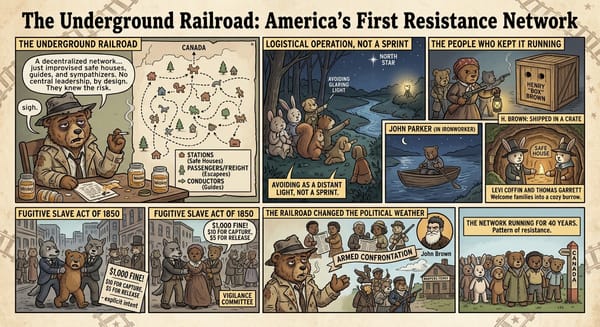
Between 1820 and 1860 the Underground Railroad moved up to 100000 people to freedom — a decentralized network of conductors safe houses and people who broke federal law daily.

Slavery & Antebellum South
Denmark Vesey was a free Black man in Charleston who spent his freedom organizing the largest urban slave conspiracy in American history — planned for Bastille Day 1822.
Slavery & Antebellum South
In 1800 Gabriel Prosser organized hundreds of recruits to seize Richmond Virginia — the most sophisticated slave conspiracy in American history ended two days before it launched.
Slavery & Antebellum South
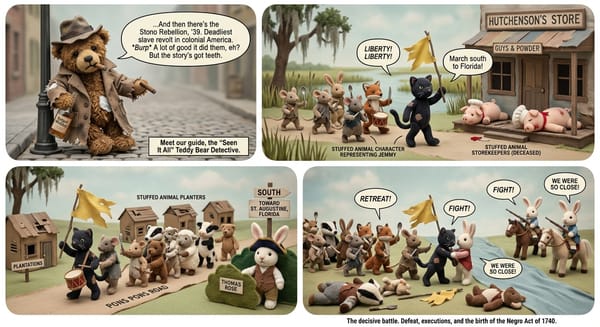
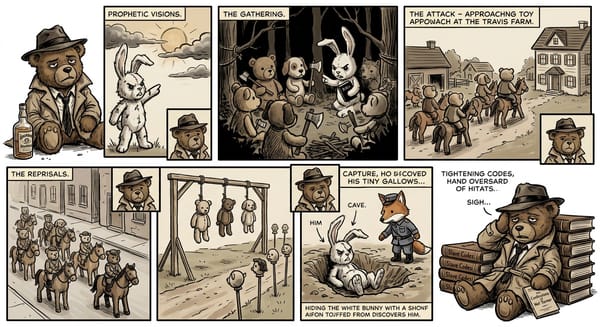
The Stono Rebellion of 1739 was the deadliest slave revolt in colonial American history — 20 Angolan men marched toward Spanish Florida and reshaped South Carolina law.
Slavery & Antebellum South
Nat Turner's 1831 rebellion in Southampton County Virginia killed 55 people and triggered a continent-wide crackdown on Black literacy and religious assembly.

Slavery & Antebellum South
American slavery was a designed system — built by law, financed by banks, and defended by federal troops. Five articles explain the five mechanisms that kept it running for 246 years.
Slavery & Antebellum South
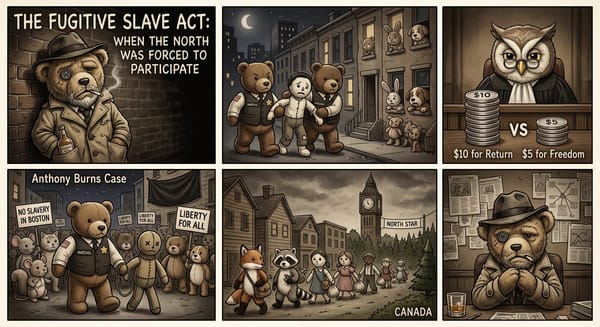
The 1850 Fugitive Slave Act conscripted every American citizen into slavery's enforcement — federal marshals returned Anthony Burns to bondage at a cost of $100,000 to taxpayers.
Slavery & Antebellum South
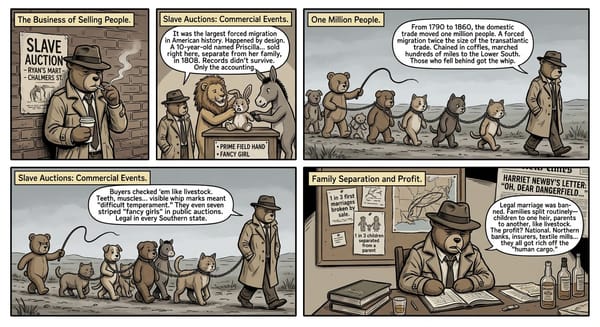
The domestic slave trade forcibly relocated one million people after 1808 — one in three marriages in the Upper South was broken by sale and the law provided no protection.
Slavery & Antebellum South
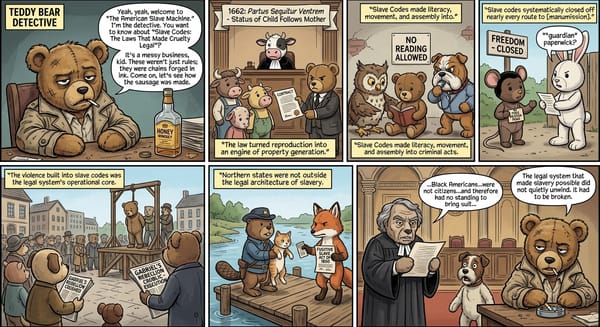
How Southern colonies built a legal architecture that criminalized literacy movement and assembly — starting with Virginia's 1662 law that turned reproduction into property.

Slavery & Antebellum South
The antebellum plantation was an agricultural factory — with production quotas gang labor systems and planters who tracked cotton output against bodies the way firms track logistics.