
Slavery & Antebellum South
Slavery in American History
Two series on American slavery — how the system was designed built and financed and how the people inside it refused to accept it. Section hub for all 13 articles.
Slavery & Antebellum South
Two series on American slavery — how the system was designed built and financed and how the people inside it refused to accept it. Section hub for all 13 articles.

Slavery & Antebellum South
From the 1739 Stono Rebellion to the Underground Railroad — six articles on the people who fought American slavery from inside it. Series hub.

Slavery & Antebellum South
The abolitionist movement built the moral and political infrastructure for emancipation — and the people who built it paid with their lives freedom and livelihoods.
Slavery & Antebellum South
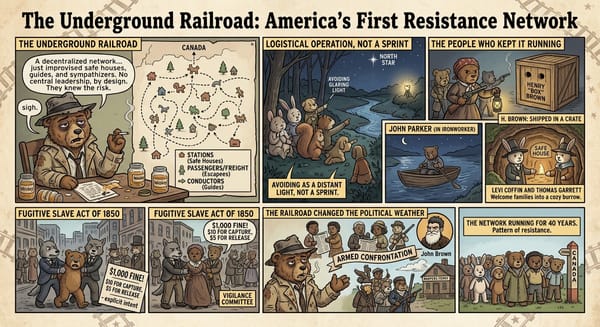
Between 1820 and 1860 the Underground Railroad moved up to 100000 people to freedom — a decentralized network of conductors safe houses and people who broke federal law daily.

Slavery & Antebellum South
Denmark Vesey was a free Black man in Charleston who spent his freedom organizing the largest urban slave conspiracy in American history — planned for Bastille Day 1822.
Slavery & Antebellum South
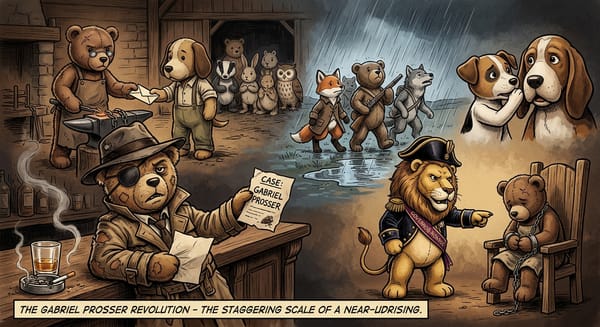
In 1800 Gabriel Prosser organized hundreds of recruits to seize Richmond Virginia — the most sophisticated slave conspiracy in American history ended two days before it launched.
Slavery & Antebellum South
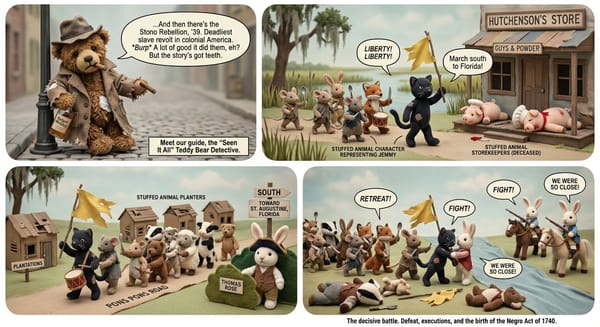
The Stono Rebellion of 1739 was the deadliest slave revolt in colonial American history — 20 Angolan men marched toward Spanish Florida and reshaped South Carolina law.
Slavery & Antebellum South
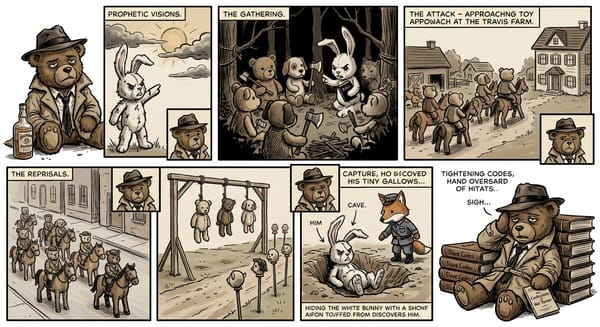
Nat Turner's 1831 rebellion in Southampton County Virginia killed 55 people and triggered a continent-wide crackdown on Black literacy and religious assembly.

Slavery & Antebellum South
American slavery was a designed system — built by law, financed by banks, and defended by federal troops. Five articles explain the five mechanisms that kept it running for 246 years.
Slavery & Antebellum South
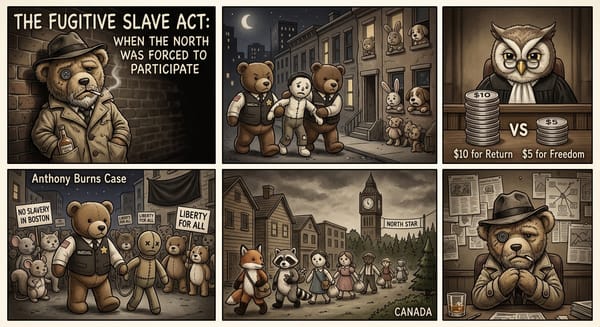
The 1850 Fugitive Slave Act conscripted every American citizen into slavery's enforcement — federal marshals returned Anthony Burns to bondage at a cost of $100,000 to taxpayers.
Slavery & Antebellum South
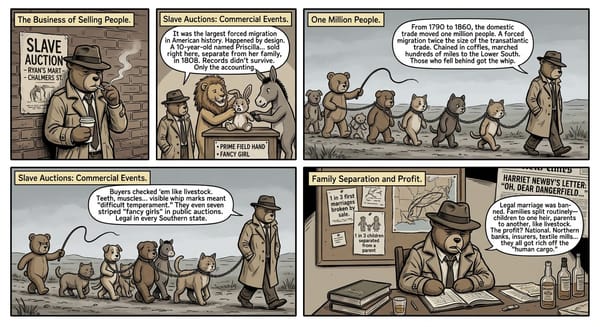
The domestic slave trade forcibly relocated one million people after 1808 — one in three marriages in the Upper South was broken by sale and the law provided no protection.
Slavery & Antebellum South
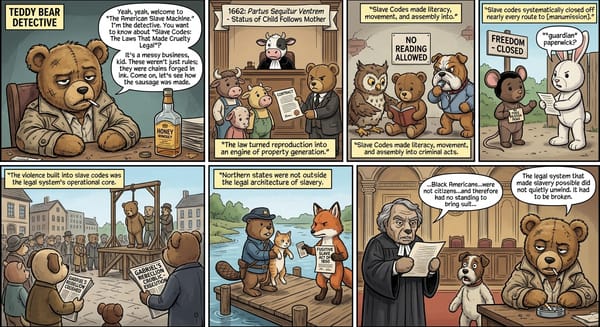
How Southern colonies built a legal architecture that criminalized literacy movement and assembly — starting with Virginia's 1662 law that turned reproduction into property.