Native American Genocide
Forced Sterilization: The Program That Targeted Native Women
Between 1970 and 1976 the Indian Health Service sterilized an estimated 25 to 50 percent of Native women in its facilities. No one was prosecuted.
Native American Genocide
Between 1970 and 1976 the Indian Health Service sterilized an estimated 25 to 50 percent of Native women in its facilities. No one was prosecuted.
Native American Genocide
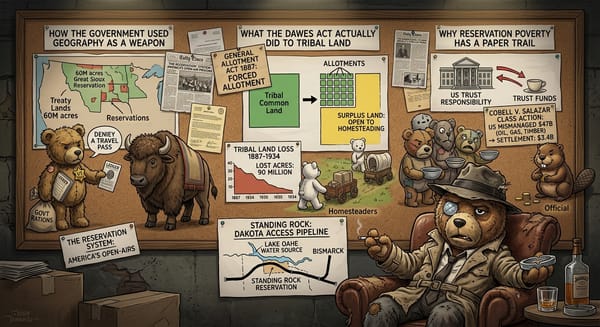
The Dawes Act stripped 90 million acres of tribal land between 1887 and 1934. Reservation poverty today has a documented cause — it was the policy goal all along.
Native American Genocide
The U.S. made 375 treaties with Native nations and violated every one. The Sioux have refused a $1 billion payout for the Black Hills — they want the land back.
Native American Genocide
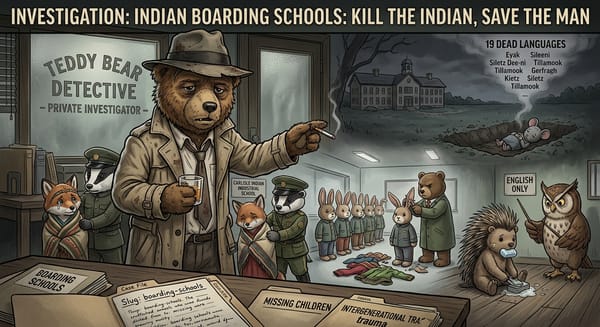
The federal government ran 83 Native American boarding schools between 1869 and 1978. The 2022 Interior report found 53 burial sites at or near former schools.
Native American Genocide
The Trail of Tears, Sand Creek, and Wounded Knee were not isolated events. This series documents the federal project that stripped Native nations of 2 billion acres.
Native American Genocide
On December 29, 1890, U.S. soldiers killed at least 250 Lakota at Wounded Knee Creek. The Army awarded 20 Medals of Honor that have never been rescinded.
Native American Genocide
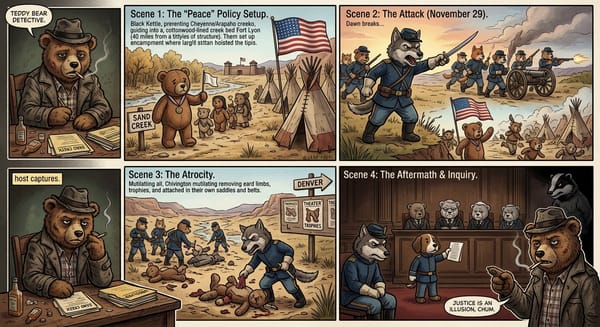
In 1864 Colorado militia attacked a Cheyenne and Arapaho camp flying an American flag, killing 150 to 200 people. No one was ever prosecuted.
Slavery & Antebellum South
Two series on American slavery — how the system was designed built and financed and how the people inside it refused to accept it. Section hub for all 13 articles.
Native American Genocide
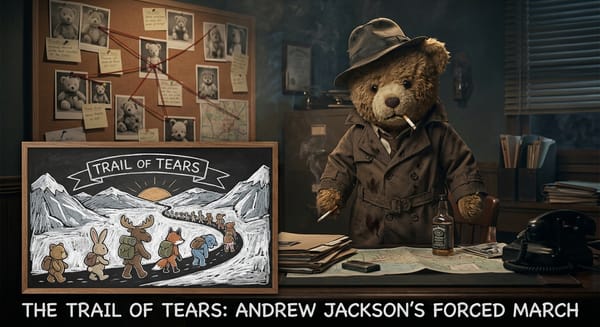
The Trail of Tears displaced 60,000 Native people from the Southeast starting in 1830. An estimated 4,000 Cherokee died on the winter march to Indian Territory.
Slavery & Antebellum South
From the 1739 Stono Rebellion to the Underground Railroad — six articles on the people who fought American slavery from inside it. Series hub.
Slavery & Antebellum South
The abolitionist movement built the moral and political infrastructure for emancipation — and the people who built it paid with their lives freedom and livelihoods.
Slavery & Antebellum South
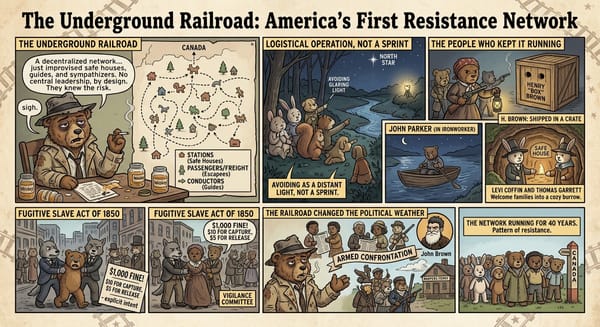
Between 1820 and 1860 the Underground Railroad moved up to 100000 people to freedom — a decentralized network of conductors safe houses and people who broke federal law daily.