Outlaw Legends: The Men Who Made Crime Romantic
Jesse James Billy the Kid Butch Cassidy the Dalton Gang — the American outlaw myth was manufactured by the outlaws themselves and the journalists who needed them.
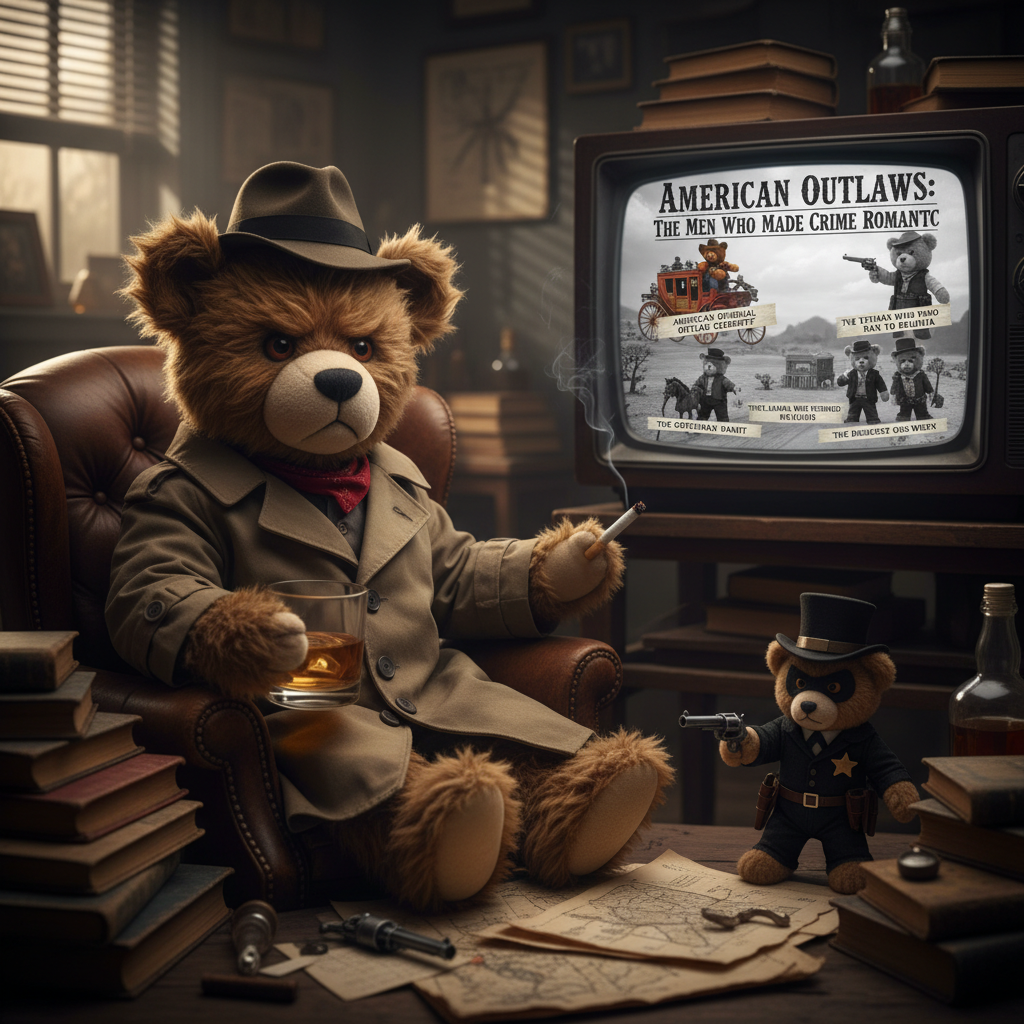
American Outlaws: The Men Who Made Crime Romantic
Every culture has its sacred criminals — the men and women the mythology needs to be complicated, to be heroic, to be more than what the court records show. America’s are the outlaws. Jesse James, Billy the Kid, Butch Cassidy, the Dalton Gang, John Wesley Hardin, Black Bart. Their names survive a century and a half after their crimes because they were attached to stories that Americans needed, and those stories were built with skill and intention.
What the pattern reveals is not what the criminals did but what America needed them to mean.
In This Series
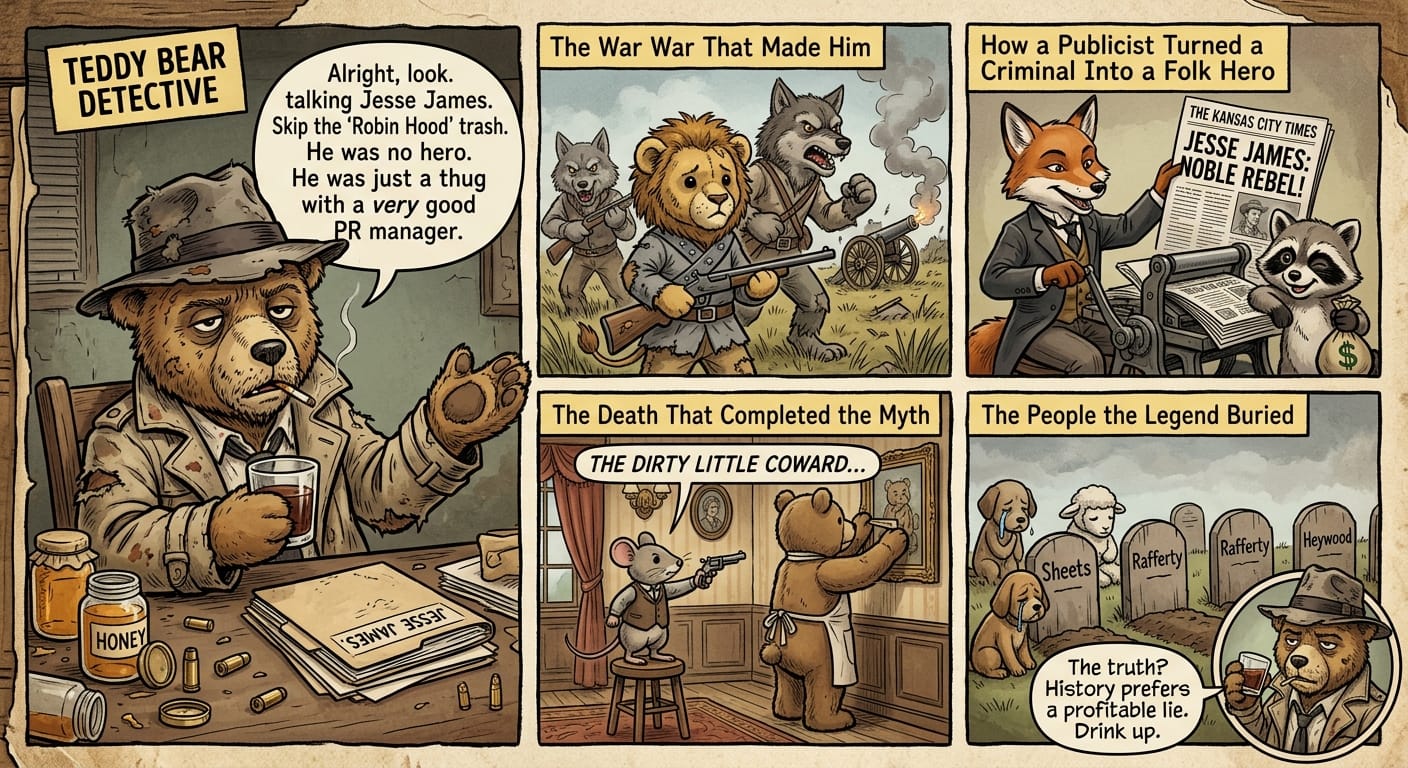
- Jesse James: America’s Original Outlaw Celebrity
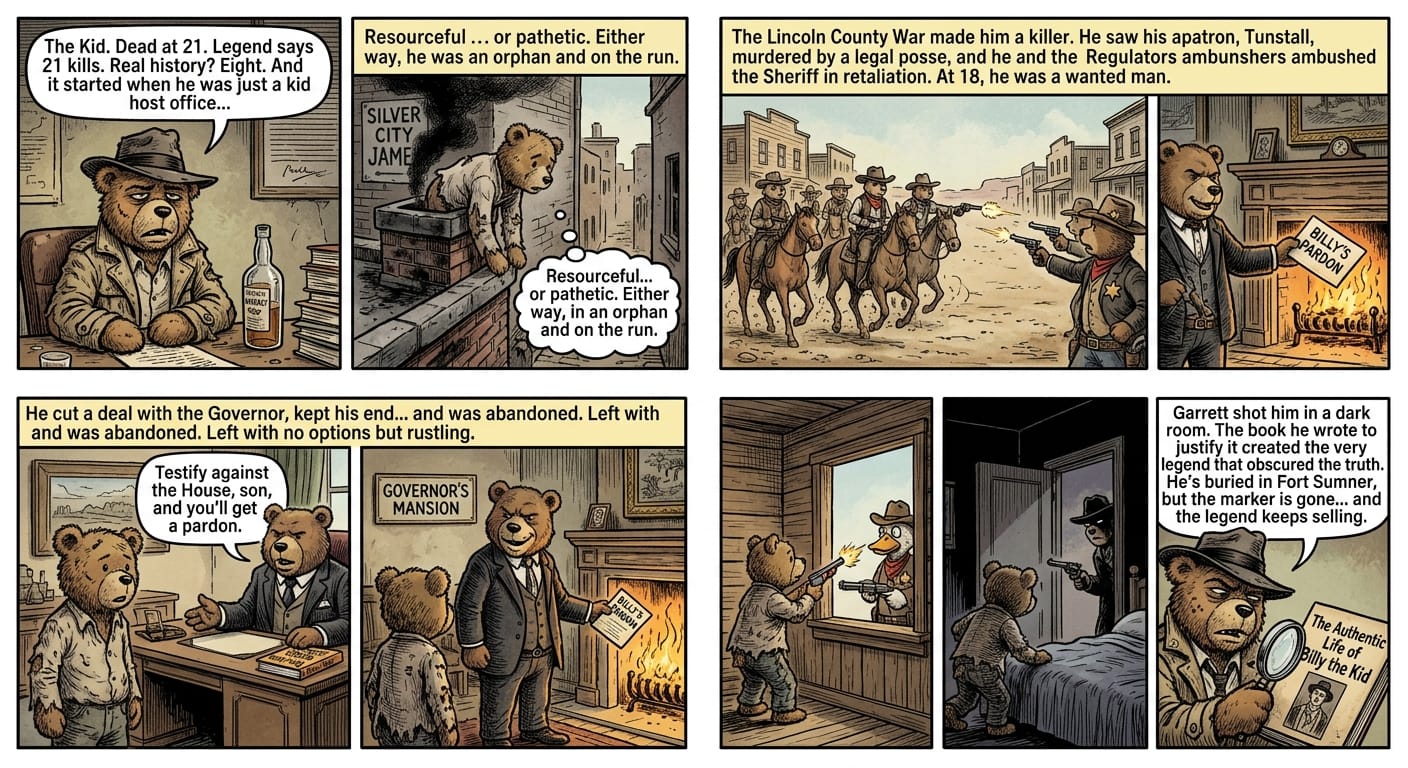
- Billy the Kid: The Teenager Who Became a Legend
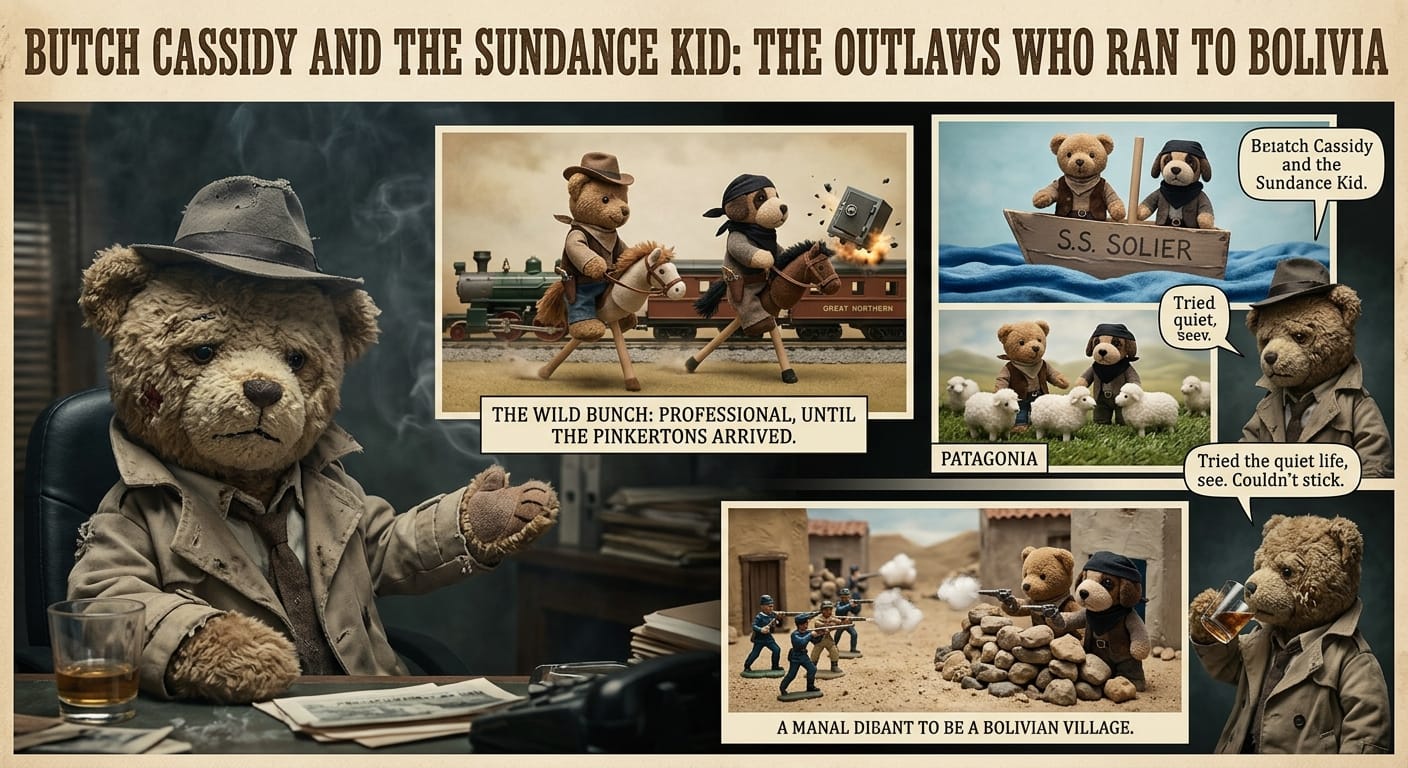
- Butch Cassidy and the Sundance Kid: The Outlaws Who Ran to Bolivia
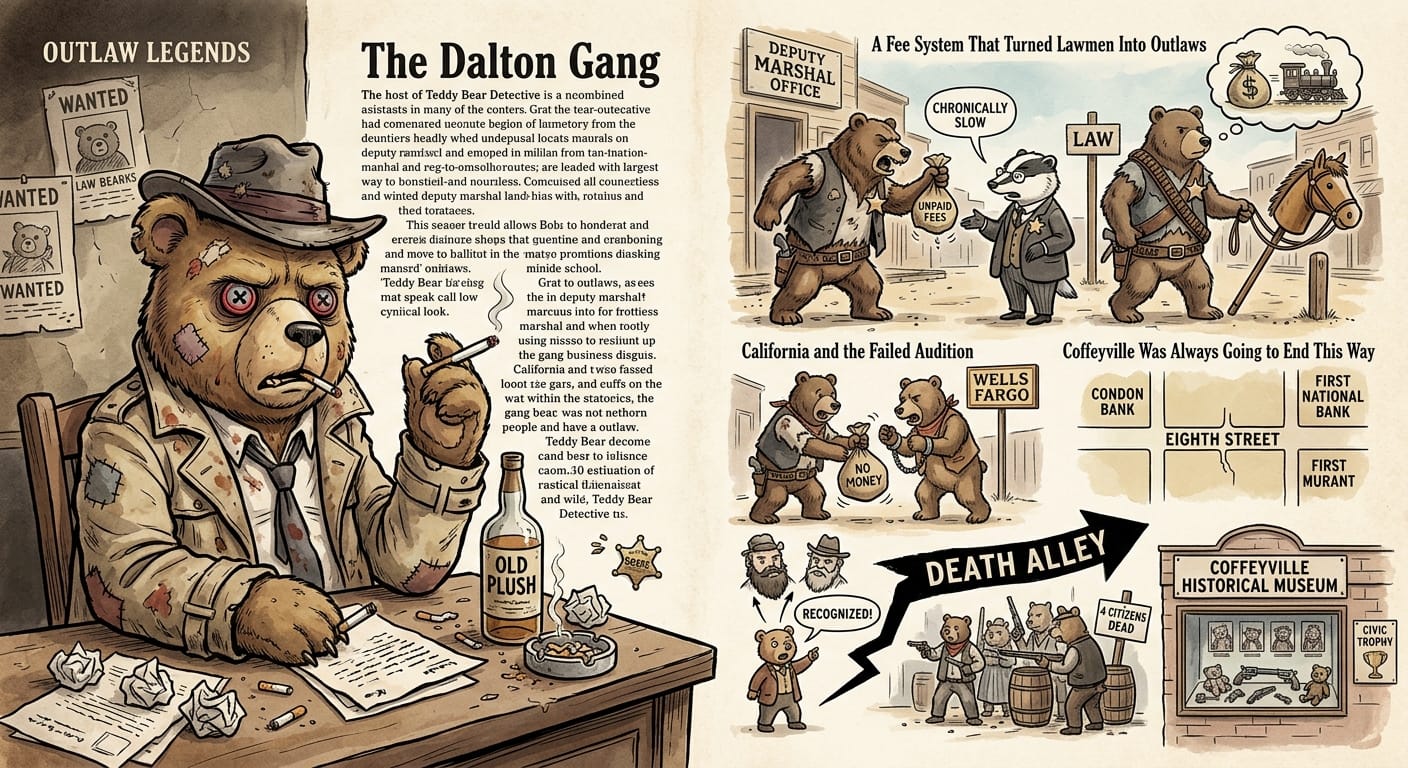
- The Dalton Gang: The Lawmen Who Turned Outlaw
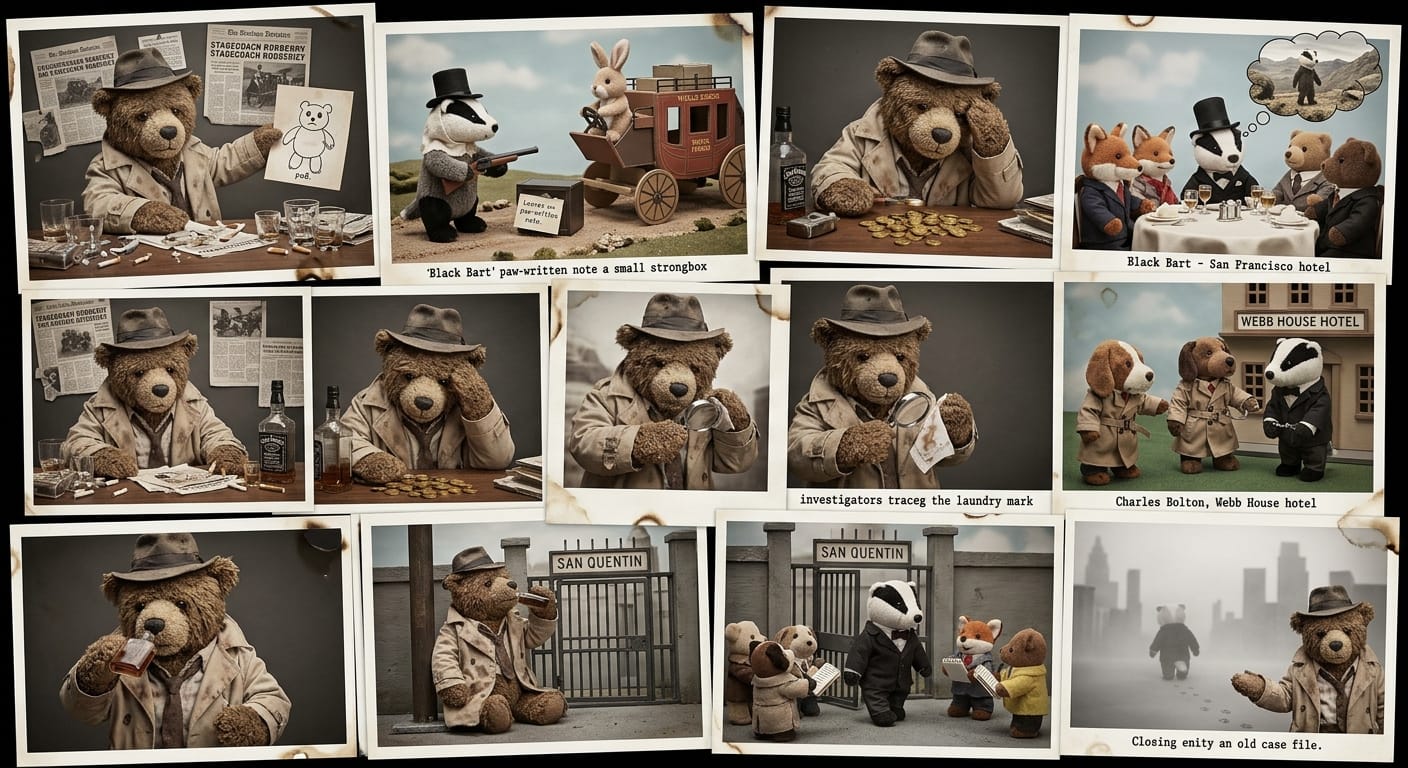
- Black Bart: The Gentleman Bandit Who Robbed Stagecoaches
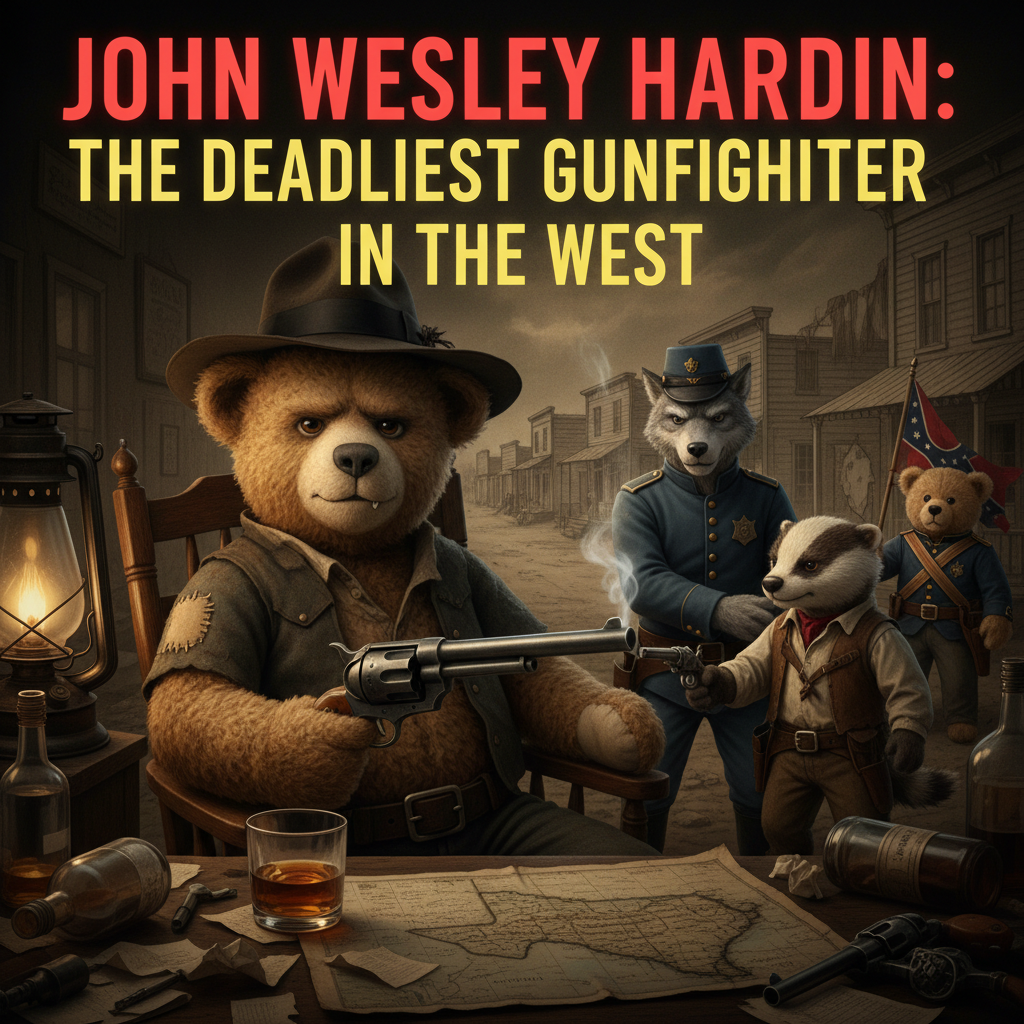
- John Wesley Hardin: The Deadliest Gunfighter in the West
The Stories Were Manufactured, Not Discovered
The outlaw legends of the post-Civil War West didn’t emerge spontaneously from the violence. They were manufactured, often by the outlaws themselves or by journalists with motives that had nothing to do with accuracy. Jesse James collaborated with Kansas City Times editor John Newman Edwards to build a narrative of Confederate resistance. Pat Garrett co-authored a book about Billy the Kid within a year of shooting him, shaping the story before anyone else could. Black Bart cultivated press attention through theatrical crime scenes because notoriety offered a kind of protection. They understood, in varying degrees, that the story was the product.
The stories they built shared a set of features: the outlaw had a grievance (Reconstruction injustice, corrupt institutions, grinding poverty); the outlaw was skilled (a marksman, a horseman, an escape artist); the outlaw was defiant (took what the system wouldn’t give him, refused to back down); and the outlaw was ultimately tragic (the ending was always violent, the power always won). The tragedy was essential. A criminal who got away clean was just a criminal. A criminal who died under dramatic circumstances could be a martyr.
Broken Institutions Created the Conditions for Outlawry
The specific institutional failures that produced the outlaw era were numerous and well-documented. The Indian Territory fee system paid deputy marshals by the arrest, creating financial precarity that pushed former lawmen like the Dalton brothers across the line. Lincoln County’s political corruption funneled economic power through the House and the Santa Fe Ring in ways that made John Tunstall’s murder legally untouchable. The frontier was not lawless in a simple sense — it had legal institutions — but those institutions were frequently captured by property interests, and the people operating outside them had often been pushed there by the institutions themselves.
This is the part of the story that required suppression in the myth-making. Hardin’s first killings were of a Black man and three Union soldiers, motivated by Confederate resistance to Reconstruction. The Daltons moved from badge to outlaw with no intermediate step. The romantic version requires that the outlaw stand for something larger than personal interest, which meant editing the specific causes of specific crimes into more flattering shapes.
A Media Ecosystem Built Them Into Heroes
The 1860s through 1880s were the peak era of dime novels, pulp fiction, and sensational journalism — a media ecosystem built for the production of heroes and villains on an industrial scale. The heroes needed to be easily comprehensible: brave, skilled, sympathetic. The villains needed to be clearly evil. Outlaws could play either role, and the more enterprising ones positioned themselves as heroes.
George Ward Nichols’s 1867 Harper’s piece on Wild Bill Hickok — pure theater, liberally invented, nationally distributed — established the template. The formula: an encounter with the outlaw in person, his account of his own exploits told in his own words (or words attributed to him), framed by the journalist’s admiring commentary. The subject was generally complicit and sometimes coauthored the fiction. Wyatt Earp was still trying to get his story told correctly in his late seventies, cooperating with Stuart Lake’s biography that appeared two years after his death.
The journalism didn’t create the outlaws. It created the legend that outlasted them, and the legend’s commercial value outlasted the journalism that created it. Cassidy’s story sold Paul Newman a movie career a century after the man died. Jesse James’s name still moves merchandise at the Clay County Savings Association building in Liberty, Missouri, which is now a museum.
The outlaw legends of the American West are a story about America’s relationship with legitimate authority — specifically about what happens when people decide that the institutions are rigged against them and they have more to lose by compliance than defiance. The outlaws aren’t celebrated because Americans love crime. They’re celebrated because Americans have a persistent, partially accurate belief that the system doesn’t work fairly, and a persistent, largely inaccurate belief that individual defiance can fix that.
The individual outlaws lost, every one of them. Jesse James was shot by a member of his own gang. Billy the Kid died on a darkened floor in Fort Sumner. Butch and Sundance ended in a Bolivian village. The Daltons were cut down on a Kansas main street. Hardin was shot in the back playing dice. The pattern is not a coincidence: it’s the myth confirming that defiance has a price. The legend makes the price romantic. The court records just make it final.
─────────
Sources:
- Stiles, T.J. Jesse James: Last Rebel of the Civil War. Knopf, 2002.
- Utley, Robert M. Billy the Kid: A Short and Violent Life. University of Nebraska Press, 1989.
- Secrest, William B. Black Bart: Boulevardier Bandit. Word Dancer Press, 1992.
- Barra, Allen. Inventing Wyatt Earp: His Life and Many Legends. Carroll & Graf, 1998.
The Series